
Popular Foundation Repair Materials For Homeowners
Compare top foundation repair products that are easy to use and deliver dependable results for various repair needs.
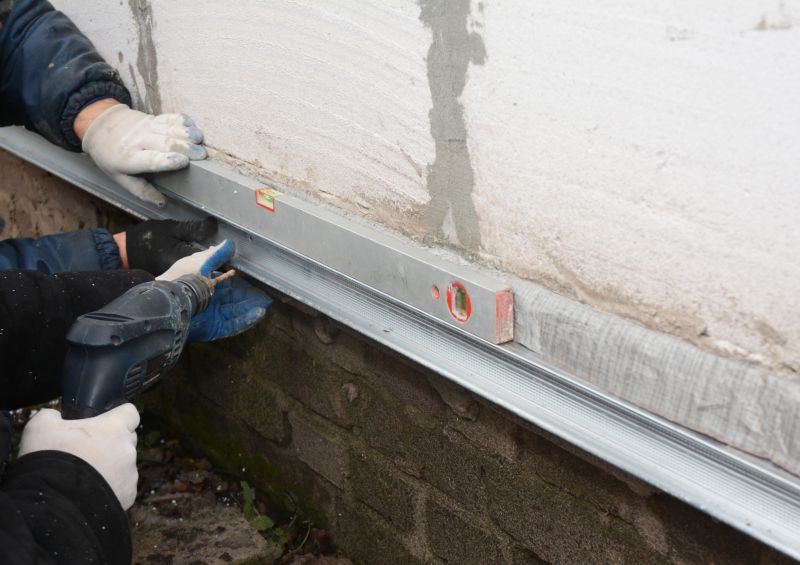 Foundation repairs are a critical aspect of maintaining the structural integrity of a building, especially in areas prone to shifting soils or moisture fluctuations. When considering foundation repair products, it's important to understand the variety of solutions available, each suited to different types of foundation issues. From underpinning and stabilization to crack repair and moisture control, the right products can help address specific concerns effectively. Proper selection and application of these products can contribute to the long-term stability and safety of a property.
Top Overall Option
Hydraulic Pier System
A hydraulic pier system is a versatile foundation repair solution that can be used to lift and stabilize a sunken or uneven foundation. These systems typically involve installing steel piers beneath the foundation and using hydraulic jacks to gently lift the structure back to its proper position. They are suitable for a variety of soil conditions and foundation types, providing a durable and long-lasting support structure. Proper installation by experienced professionals is essential to ensure safety and effectiveness.
Types of Products For Foundation Repairs
Hydraulic Piers
Steel or concrete piers driven into the ground to support and lift foundations.
Polyurethane Foam Injectors
Injectable foam used to fill voids and stabilize soil beneath the foundation.
Carbon Fiber Straps
Reinforcement straps applied to cracked concrete to prevent further cracking.
Concrete Crack Fillers
Materials designed to seal and repair cracks in concrete surfaces.
Soil Stabilization Products
Chemical solutions that improve soil compaction and reduce shifting.
Underpinning Systems
Support systems that extend the foundation depth to more stable soil layers.
Anchor Bolts and Plates
Hardware used to secure foundation walls to the framing or other structural elements.
Waterproofing Membranes
Barrier materials applied to foundation surfaces to prevent water infiltration.
Drainage Solutions
Products like French drains and sump pumps to manage water around foundations.
Epoxy Injection Kits
Resins used to fill and bond cracks in concrete for structural reinforcement.
Popular Choices
Commonly used for foundation stabilization and lifting in various soil conditions.
Popular for quick and minimally invasive soil stabilization.
Widely chosen for crack reinforcement in concrete walls.
Frequently used for sealing minor cracks and preventing water intrusion.
Essential in areas with high moisture levels to protect foundations.
Effective in managing water flow and reducing soil erosion around foundations.
Preferred for structural crack repairs in concrete surfaces.
Chosen for improving soil strength in foundation zones.
Used to provide additional support during or after foundation repairs.
Selected for deep foundation stabilization in problematic soil conditions.
In Englewood, CO, where soil conditions and climate can influence foundation health, homeowners and contractors often turn to a range of repair options. These include hydraulic piers, polyurethane foam injections, carbon fiber reinforcement, and concrete crack fillers, among others. Each product type serves a particular purpose, whether it's lifting a sunken foundation, sealing cracks, or preventing future movement. Understanding the strengths and limitations of each product helps ensure that repairs are durable and appropriate for the specific foundation issues encountered.
Choosing foundation repair products involves assessing the severity and nature of the problem, as well as the underlying soil conditions. Proper installation is crucial for effectiveness, which is why many professionals recommend consulting with experienced contractors. Additionally, products that offer versatility and ease of use can be advantageous for DIY enthusiasts tackling minor repairs. Overall, selecting the right foundation repair products requires careful consideration of the problem, the environment, and the desired longevity of the repair work.
Key Buying Considerations
- Assess the specific foundation issue and determine the most suitable product type.
- Consider the soil conditions and how they may influence repair options.
- Evaluate the size and extent of cracks or foundation movement to select appropriate solutions.
- Ensure compatibility of repair products with existing foundation materials.
- Check the ease of installation, especially if considering DIY approaches.
- Prioritize products that offer durability and long-term stability.
- Review manufacturer instructions and recommended application procedures.
- Consider the need for professional assessment or installation for complex repairs.
- Factor in the environmental conditions, such as moisture levels and drainage, that could impact repair longevity.
- Research product reviews and performance data to inform your choice.
- Determine the budget and compare the cost-effectiveness of different repair solutions.
- Verify that the products meet relevant safety and building code standards.
- Look for products with proven track records in similar soil and foundation conditions.
- Consider future maintenance needs associated with the repair products.