Optimal Timing for Foundation Repairs
Foundation repairs are most effectively performed during specific times of the year when weather conditions favor construction activities. Understanding the optimal timing can help ensure the durability and stability of the repair work, minimizing potential issues caused by environmental factors.
Spring offers moderate temperatures and increased soil moisture, which can facilitate foundation repair work. However, heavy rains may cause delays or complications.
Summer provides longer daylight hours and generally dry weather, making it suitable for foundation repairs. Extreme heat can, however, affect curing times of certain materials.
Fall is ideal due to cooler temperatures and reduced precipitation, allowing for stable conditions. Preparing before winter ensures repairs are settled before cold weather.
Winter is generally less suitable for foundation repairs due to freezing temperatures and potential snow or ice, which can hinder work and affect materials.
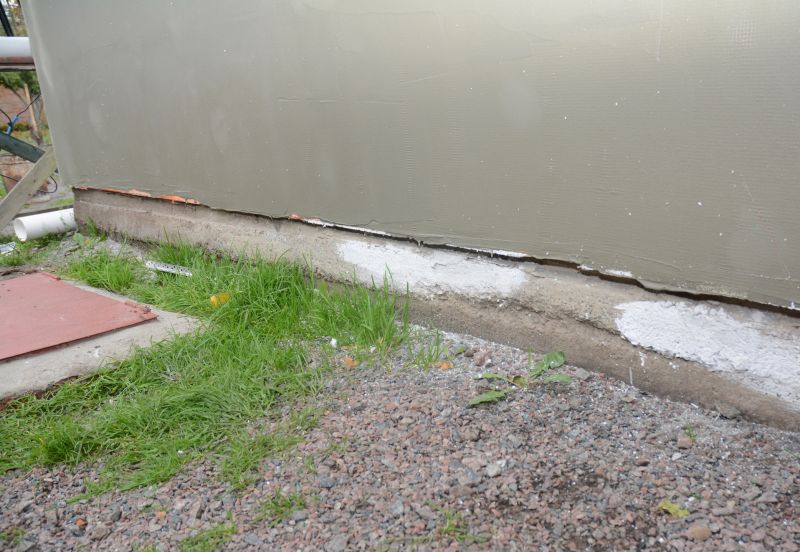
Spring soil conditions can support effective repairs, but weather variability must be monitored.
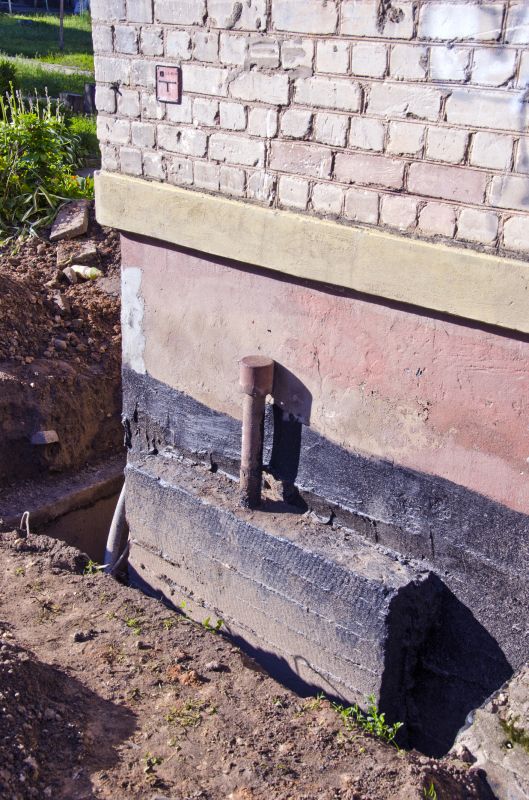
Dry summer weather allows for efficient repair projects with minimal weather-related delays.
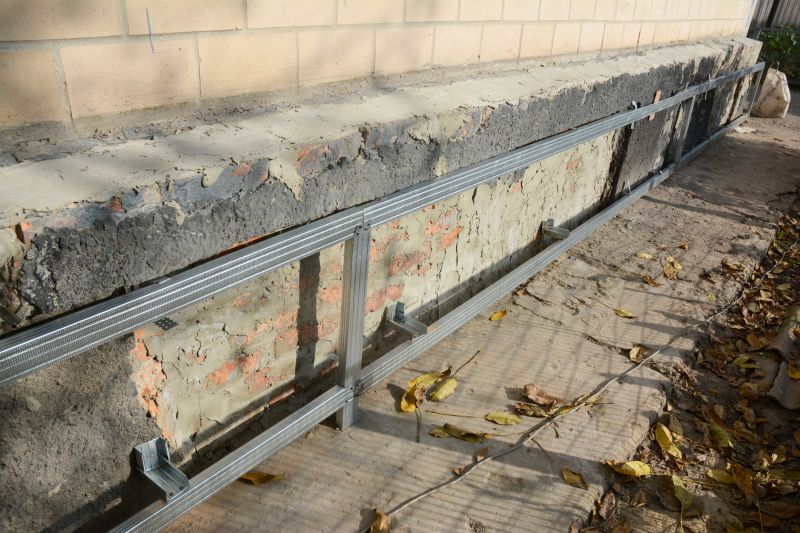
Cooler fall temperatures help stabilize repair work before winter arrives.
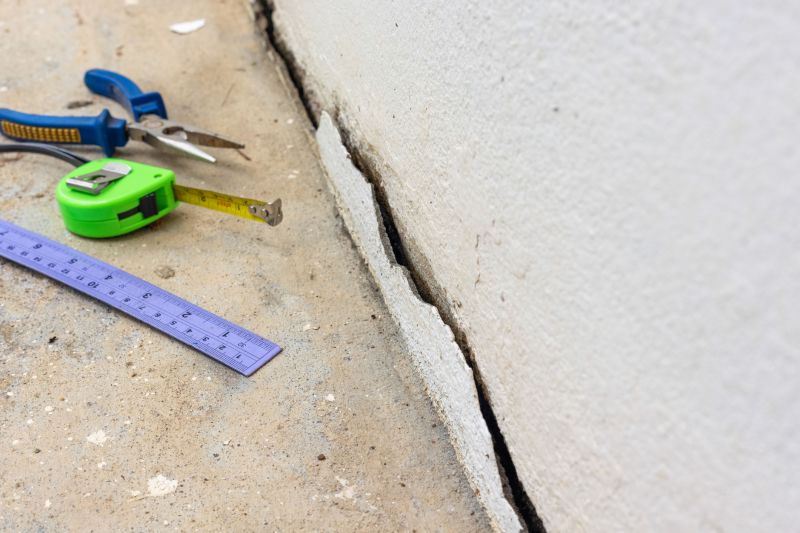
Ways to make Foundation Repairs work in tight or awkward layouts.
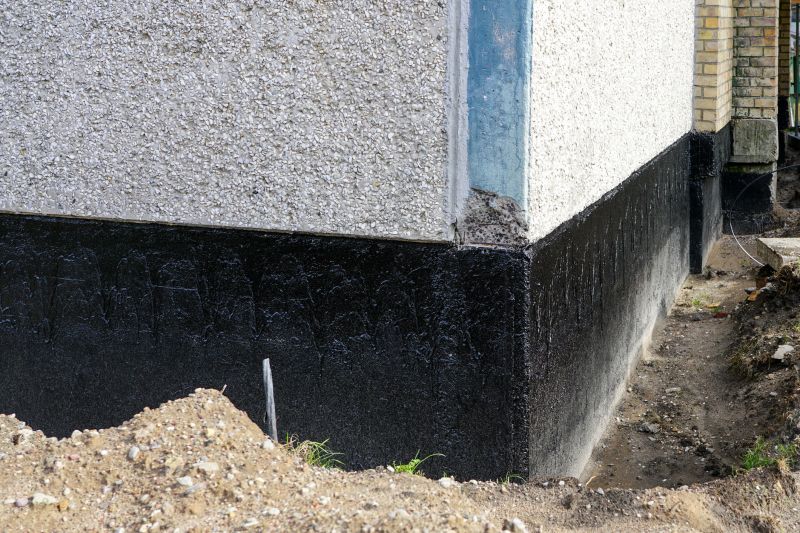
Popular materials for Foundation Repairs and why they hold up over time.
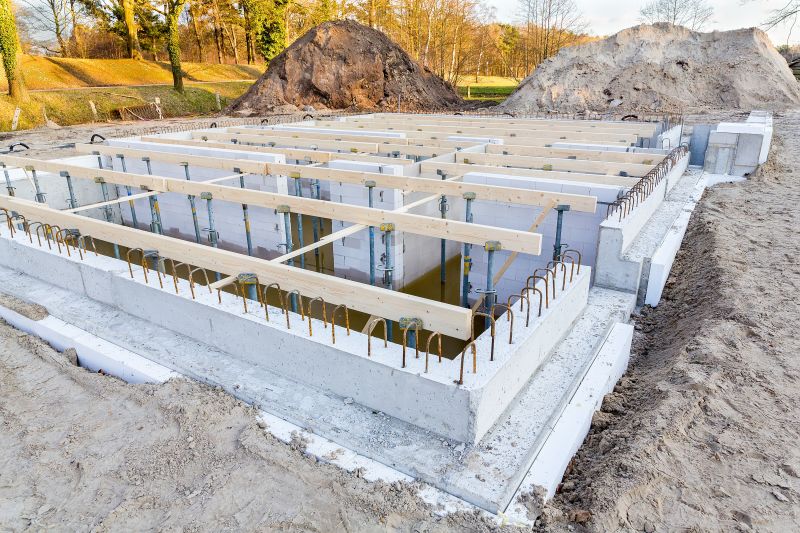
Simple add-ons that improve Foundation Repairs without blowing the budget.
| Season | Optimal Conditions |
|---|---|
| Spring | Moderate temperatures, increased soil moisture, watch for rain delays |
| Summer | Dry weather, longer daylight, potential heat effects |
| Fall | Cool temperatures, reduced precipitation, ideal for preparation |
| Winter | Freezing temperatures, snow, and ice make repairs impractical |
Foundation repairs are critical for maintaining structural integrity and preventing further damage to a property. Timely intervention can address issues such as cracking, settling, or shifting caused by soil movement, water intrusion, or other environmental factors. Proper planning around seasonal conditions ensures that repairs are durable and effective, reducing the likelihood of future problems.
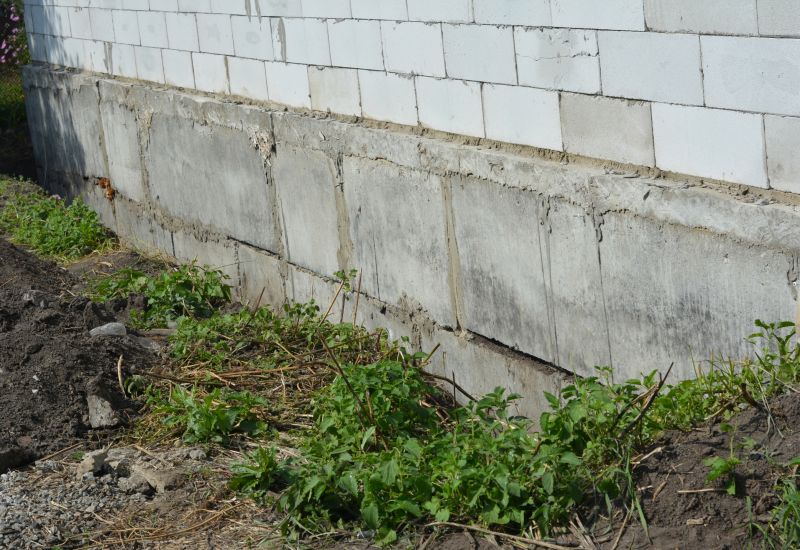
Visual representation of foundation stabilization methods.
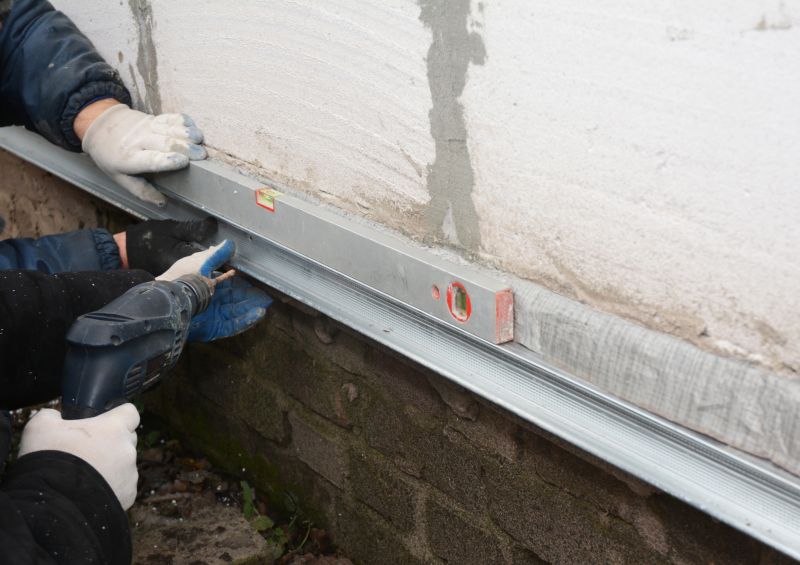
Methods used to prepare soil for foundation work.
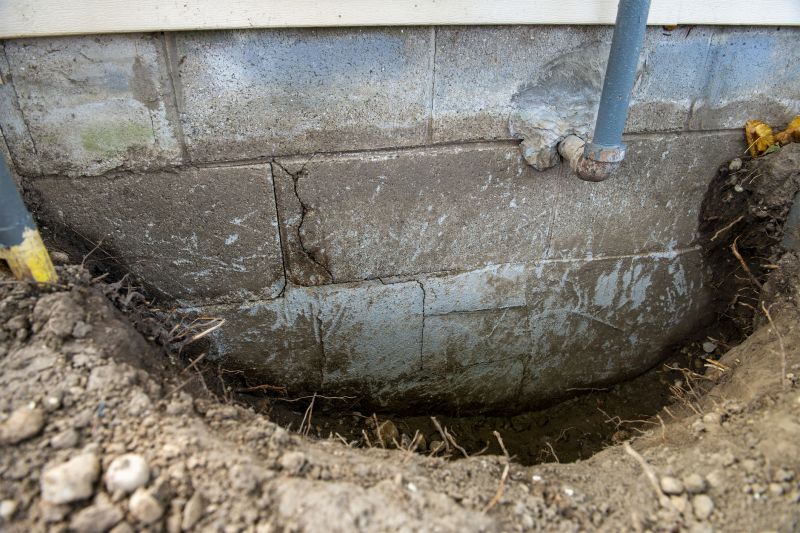
Common signs indicating the need for repairs.
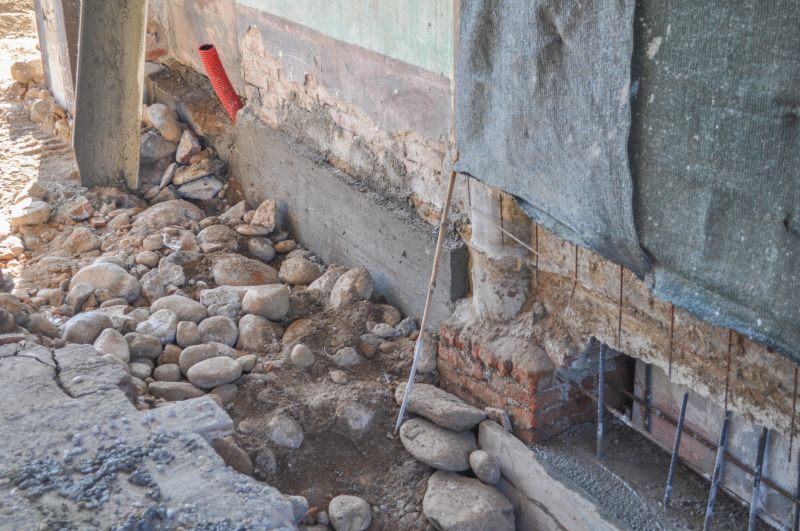
Finished stabilization with reinforced structures.
Understanding the best time to perform foundation repairs can significantly impact the success and longevity of the work. Consulting with foundation specialists can provide tailored advice based on local climate conditions and specific property needs. Proper timing ensures repairs are completed under optimal conditions, leading to more reliable and lasting results.
Interested in foundation repairs? Filling out the contact form can provide access to professional assessments and tailored solutions to address foundation concerns effectively.